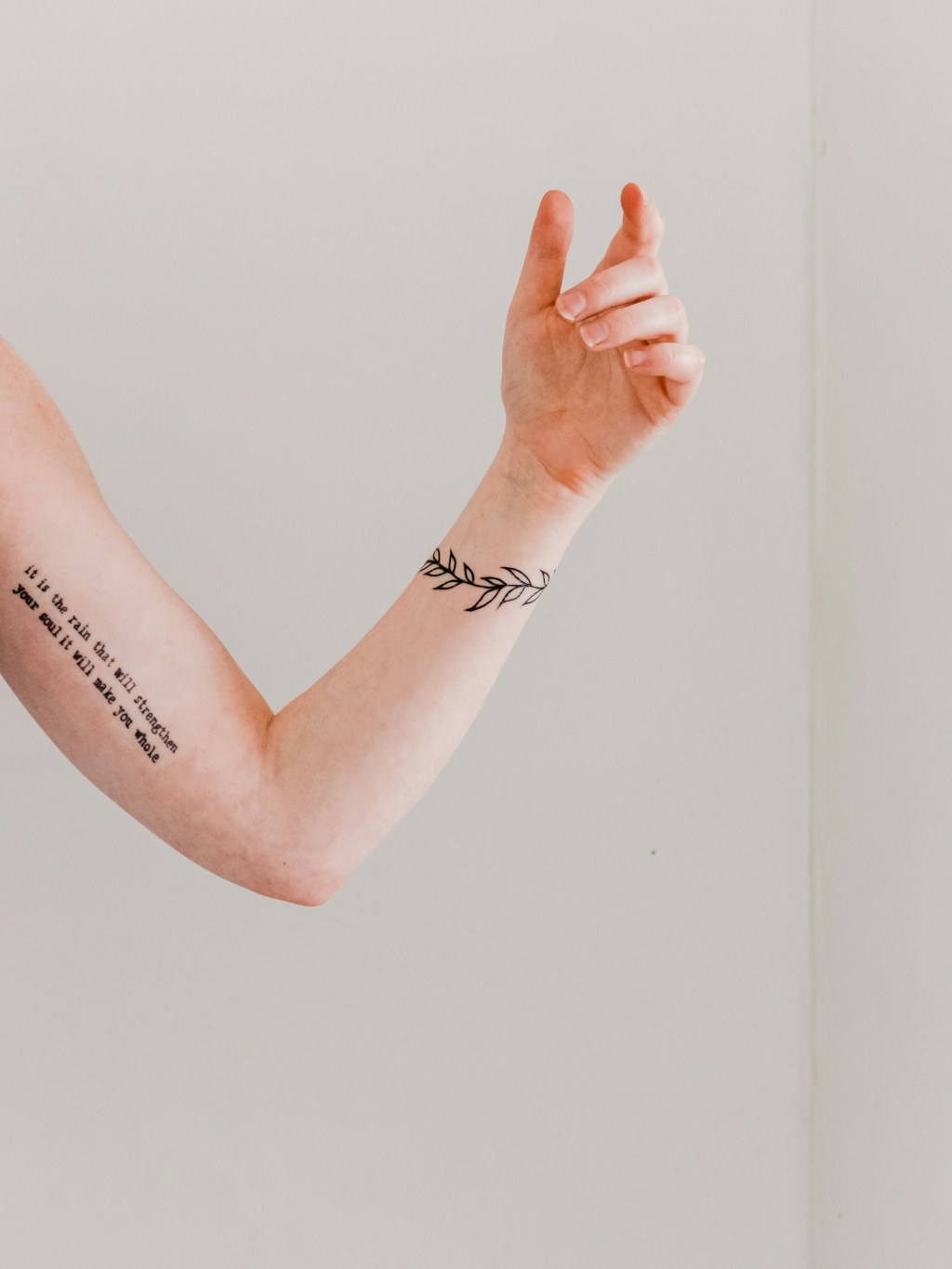
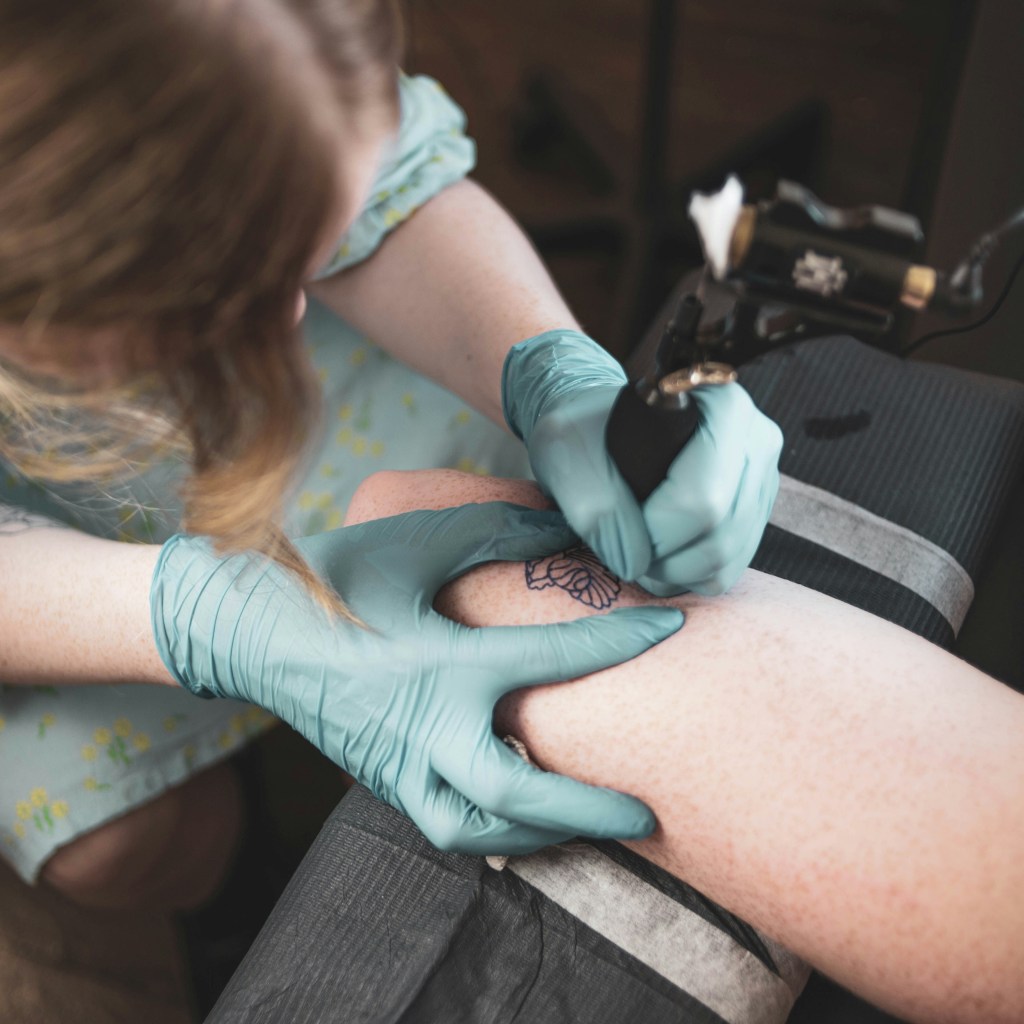
The vibrant hues and intricate designs of a fresh tattoo are a source of immense pride. However, the journey from inked canvas to fully healed masterpiece requires meticulous aftercare. This guide delves into the crucial steps for ensuring a safe and successful tattoo healing process, minimizing potential complications, and maximizing the longevity and vibrancy of your new artwork.
Understanding the Healing Process: A Foundation for Success
Tattooing involves puncturing the skin and introducing ink beneath the dermis. This process inevitably triggers an inflammatory response, which is a natural part of the healing process. The body’s immune system works to isolate and eliminate foreign materials (the ink) and close the open wounds. This process takes time and requires careful attention to detail.
The Critical First 24 Hours: Immediate Actions for Optimal Healing
The first 24 hours after getting a tattoo are crucial. The tattoo artist will provide initial aftercare instructions, but reinforcing these guidelines is essential. These steps focus on preventing infection and promoting proper healing.
- Protecting the Tattoo: Cover the tattoo with a thin, breathable bandage recommended by your artist. This helps prevent bacteria from entering the open wounds and protects the area from friction and accidental injury. Avoid using waterproof bandages unless explicitly advised by the artist.
- Preventing Infection: Regularly clean the tattoo with a mild, fragrance-free soap and lukewarm water, as directed by your artist. Gentle cleansing is key to maintaining a clean environment conducive to healing. Avoid harsh scrubbing or using harsh chemicals.
- Managing Swelling and Pain: Swelling and slight pain are common. Elevate the tattooed area whenever possible to reduce swelling. Over-the-counter pain relievers can help manage discomfort, but consult your doctor if pain is severe or persistent.
- Hydration is Key: Adequate hydration supports the body’s healing processes. Drink plenty of water to keep your body functioning optimally.

Beyond the Initial 24 Hours: Maintaining a Healthy Healing Environment
As the days progress, the focus shifts from immediate wound care to promoting long-term healing and preventing complications.
- Gentle Cleaning Routine: Continue cleaning the tattoo with mild soap and water, following your artist’s instructions, 2-3 times per day. This helps to remove any crusting or debris.
- Proper Bandaging: Change bandages as directed by your artist. Ensure the new bandage is clean and breathable.
- Avoiding Irritants: Avoid harsh chemicals and substances that could irritate the skin, such as perfumes, lotions, and harsh soaps.
- Sun Protection: Protect the tattoo from direct sunlight. Sun exposure can cause fading and discoloration. Use a high SPF sunscreen specifically designed for tattoos.
- Avoiding Swimming and Baths: Avoid swimming pools, hot tubs, and prolonged water exposure for the first 7-10 days, or as advised by your artist. This helps to reduce the risk of infection.
Common Concerns and Solutions
- Bleeding: Light bleeding is normal in the initial stages. If bleeding is excessive, contact your artist or healthcare provider.
- Crusting: Crusting is a sign of healing. Avoid picking or scratching the crust. It will naturally fall off.
- Itching: Itching is common. Avoid scratching, as this can lead to infection or scarring. Apply a soothing ointment as advised by your artist.
Addressing Potential Complications:
- Infection: Signs of infection include increased pain, swelling, redness, heat, pus, or a foul odor. Seek medical attention immediately if you suspect an infection.
- Allergic Reactions: Allergic reactions to tattoo ink are rare but possible. If you experience hives, itching, or other allergic symptoms, seek medical attention immediately.
- Scarring: Proper aftercare can minimize the risk of scarring. Following your artist’s instructions and practicing good hygiene are crucial for optimal healing.
Case Study: Managing a Tattoo Reaction
Sarah, a recent tattoo recipient, experienced mild swelling and itching in the first few days. She followed her artist’s instructions meticulously, using gentle cleansers and applying a recommended ointment. By consistently maintaining a clean and moisturized environment, she avoided complications and achieved a smooth healing process.
Long-Term Tattoo Care
Once your tattoo is fully healed, diligent maintenance is vital to preserve its vibrancy and prevent fading. Regular application of high-quality tattoo-specific moisturizers and sunscreens are recommended.
Conclusion
A tattoo is a significant commitment, both aesthetically and in terms of aftercare. By diligently following your tattoo artist’s instructions and implementing the steps outlined in this guide, you can significantly reduce the risk of complications and ensure a smooth healing process. Understanding the healing stages, maintaining proper hygiene, and protecting your tattoo from irritants all contribute to a beautiful and long-lasting piece of art. Remember to prioritize your health and seek professional guidance when needed.
 Tattooed Mag